

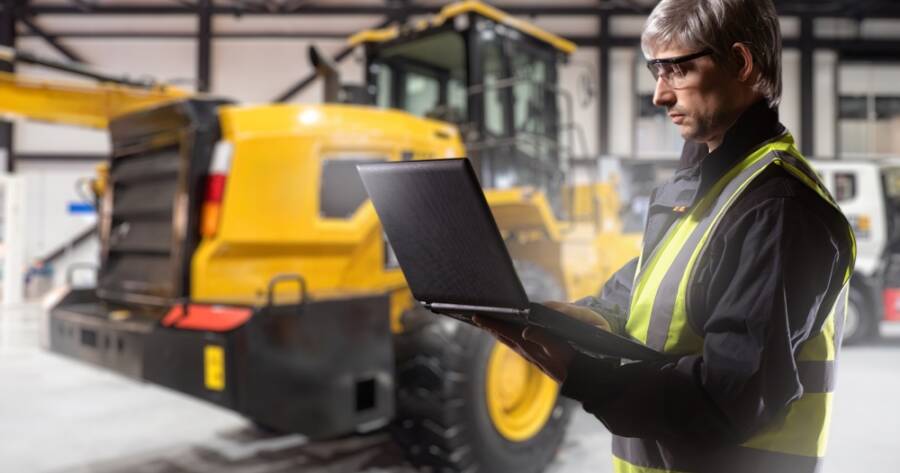
The construction industry is undergoing a significant transformation with the rise of automated excavation equipment, integrating cutting-edge technologies like AI and robotics. Top advancements promise enhanced efficiency, safety, and sustainability, addressing labor shortages and reducing costs. Understand how key innovations are reshaping project management and what they mean for the future of construction.
The Rise of Automated Excavation Equipment in Construction Project Management
In recent years, the construction industry has witnessed a transformative shift with the integration of automated excavation equipment. These advanced machines, equipped with technologies such as AI, robotics, GPS, and LiDAR sensors, are redefining how construction projects are managed (source). By performing tasks like digging, grading, and trenching with minimal human intervention, they enhance productivity and safety on construction sites.
Enhancing Efficiency and Safety
Automated excavation equipment offers significant operational efficiencies by working continuously without fatigue, which reduces project completion times and optimizes resource use (source). This continuous operation not only increases profitability but also enhances site safety by minimizing human exposure to hazardous conditions and eliminating errors caused by operator fatigue.
Furthermore, these machines contribute to sustainability by optimizing energy use and reducing the carbon footprint through efficient on-site operations and faster project completion (source).
Addressing Labor Shortages
The construction industry often faces labor shortages, which can delay project timelines and increase costs. Automated excavation equipment addresses this challenge by reducing the dependency on manual labor, allowing personnel to focus on other critical tasks. This shift not only improves overall project management but also aligns with modern project management goals of reducing environmental impact by utilizing on-site materials (source).
Cost Considerations and Retrofitting
While the initial investment in autonomous equipment can be substantial, the long-term benefits often outweigh these costs. Reduced labor and operational expenses, coupled with increased efficiency, make these machines a worthwhile investment. Additionally, retrofitting technology allows existing heavy machinery to be converted for autonomous use, providing flexibility in operation modes and extending the life of current equipment (source).
Training and Skill Development
The transition to automated excavation equipment necessitates a new skill set for the workforce. Training programs are essential to equip operators with the necessary skills to manage and oversee these advanced machines. This shift from manual operation to supervisory roles not only enhances the workforce’s capabilities but also ensures that the technology is used to its full potential (source).
Future Outlook and Technological Advancements
The future of construction project management is closely tied to advancements in autonomous excavation technology. As AI and machine learning continue to evolve, these machines will be capable of performing more complex tasks and utilizing big data for self-assessment and predictive maintenance. This will further reduce downtime and maintenance costs, making construction projects more efficient and cost-effective (source).
Learn More About Automated Excavation Equipment
Automated excavation equipment is revolutionizing the construction industry by enhancing productivity, safety, and sustainability. As these technologies continue to advance, they offer significant benefits for construction project management, including addressing labor shortages, reducing costs, and improving efficiency.
Understanding and adopting these innovations is crucial for contractors and project managers who wish to remain competitive and lead in the industry’s future. By staying informed about the latest trends and advancements, stakeholders can strategically integrate these technologies into their operations, ensuring long-term success and sustainability.