

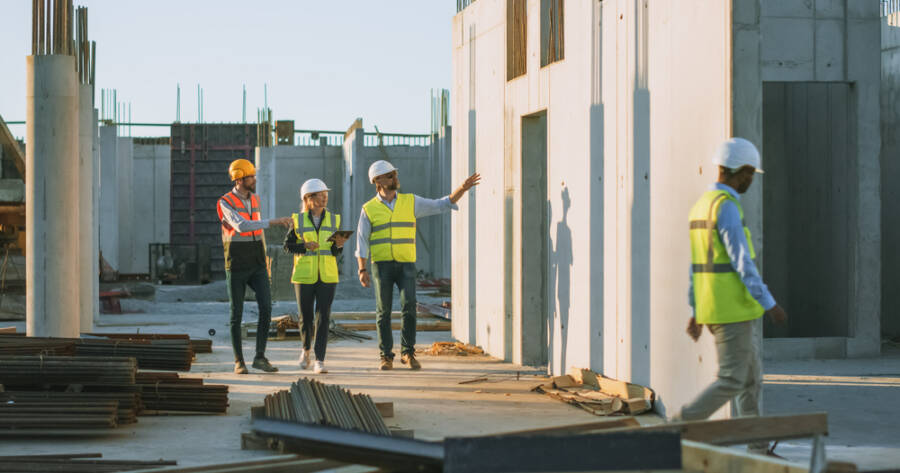
The commercial construction industry in the United States is navigating a transformative era, marked by shifts from traditional office projects to burgeoning warehouse and data center developments. As the market anticipates growth amidst challenges like rising costs and labor shortages, technological advancements and strategic planning are redefining the competitive landscape. Understand the evolving dynamics shaping the construction sector.
Understanding Commercial Construction in the U.S.
The commercial construction industry in the United States has undergone significant changes in recent years, largely influenced by the pandemic and evolving space requirements. Traditionally, office construction was a major revenue driver, but there has been a noticeable decline in this area.
In contrast, projects related to warehouses and data centers have surged, helping to stabilize the industry’s revenue streams (source). This shift reflects broader trends in how businesses are adapting to new operational needs and technological advancements.
Market Growth and Challenges
The commercial construction market is projected to reach a size of $298.6 billion by 2026, with a modest compound annual growth rate (CAGR) of 0.1% from 2020 to 2025 (source).
Despite facing challenges such as rising material costs and labor shortages, the industry is expected to continue its growth trajectory over the next five years (source). These challenges are compounded by geopolitical and policy risks, which have moderated but still pose potential threats to project timelines and costs (source).
Key Players and Competitive Landscape
Major players in the commercial construction industry include Turner Construction Company, Clark Construction Group, LLC, and Belfor USA Group Inc. These companies hold significant market shares and operate in a highly competitive environment characterized by steady market share concentration (source).
The competitive landscape is further shaped by the adoption of innovative technologies, such as AI-based safety tools, which enhance project safety and efficiency (source).
Technological Advancements and Digital Transformation
Digital transformation is becoming increasingly crucial for engineering and construction firms to optimize capacity, cost, and competitiveness. Technologies such as AI-driven analytics, real-time project management platforms, and connected jobsite solutions are being adopted to enhance productivity and decision-making (source). These advancements are not only improving operational efficiency but also redefining project delivery and enhancing safety on construction sites.
Future Outlook and Strategic Planning
Looking ahead, the construction industry is expected to experience greater operational stability by 2026, despite ongoing challenges such as elevated construction costs and supply chain strains. Improved sector sentiment and easing credit conditions are anticipated to enhance pipeline visibility, allowing firms to focus more on execution (source).
Strategic mergers and acquisitions, particularly those that enhance digital capabilities, are seen as pathways to growth and competitiveness in this evolving landscape (source).
Why You Should Learn More About Commercial Construction
Understanding the dynamics of commercial construction is essential for anyone involved in the industry or considering entering it. With significant shifts in project types, technological advancements, and market challenges, staying informed can provide a competitive edge.
The industry’s projected growth, despite challenges, highlights the opportunities available for those who are prepared to navigate its complexities. By learning more about commercial construction, stakeholders can better position themselves to capitalize on emerging trends and innovations.